Parasite Cleansing 101: What You Need to Know
Imagine a time when “take your deworming dose” was as routine as brushing your teeth. In the early 1900s, public health teams in the American South treated hookworm as a common, almost expected issue. Patients in South America remember doing seasonal deworming as children… and for good reason!
At this time almost half of schoolchildren carried hookworm, so communities rallied around stool checks, education sessions, and group treatments—which led to better school attendance, brighter minds in class, and even long-term boosts in earning potential.
As water systems improved and farms adopted safer practices, these mass-deworming rituals faded from daily talk. Yet the careful “art” of checking for parasites quietly slipped away, even though the threat never vanished… until now.
Common Symptoms and Signs of Parasitic Load
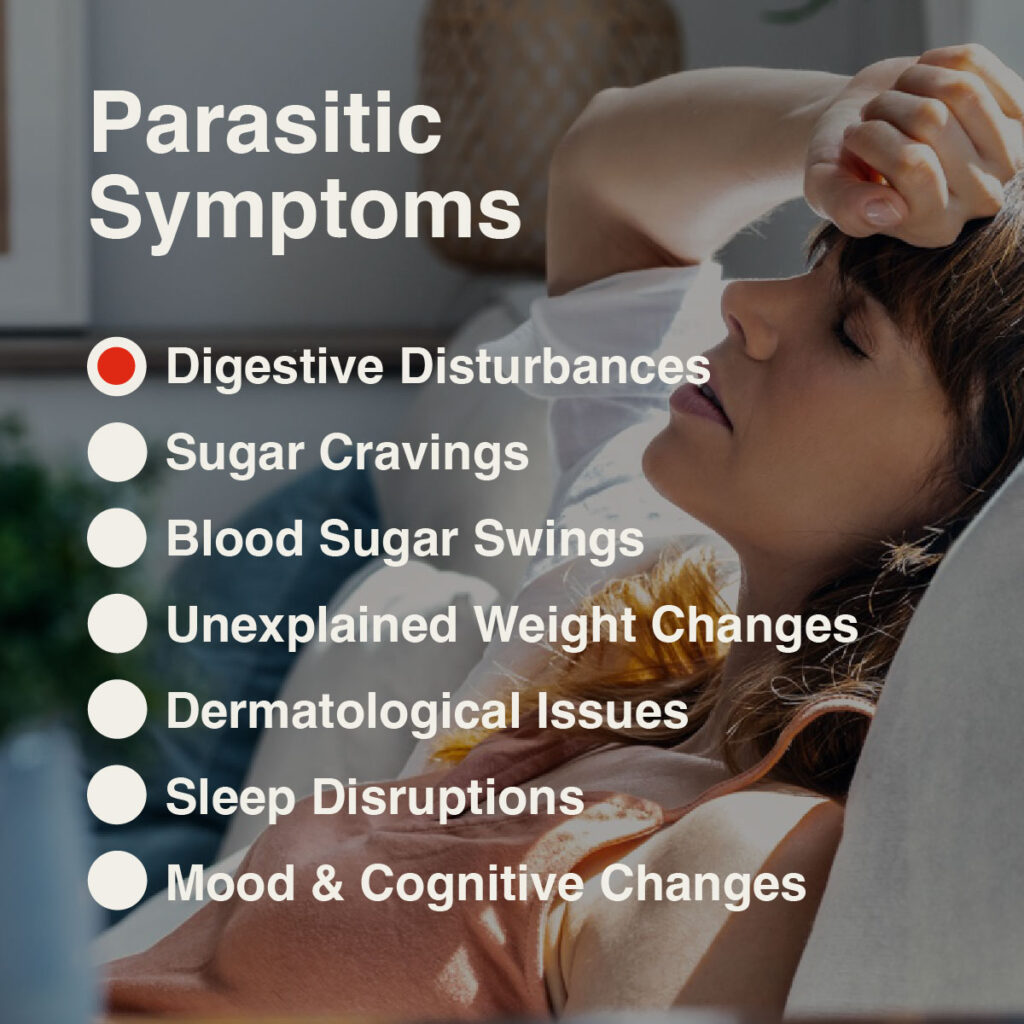
Parasitic infections do not always present with dramatic, acute symptoms. Instead, many patients experience subtle, chronic signs that can be easily misattributed to other health concerns. Look out for:
- Digestive Disturbances: Persistent bloating, constipation, or irregular bowel movements.
- Sugar Cravings & Blood Sugar Swings: Parasites feed on simple carbohydrates; cravings often indicate an environment that favors their growth.
- Unexplained Weight Changes: Sudden weight gain or loss without changes in diet or exercise.
- Dermatological Issues: Eczema, hives, or recurrent rashes can signal immune system activation in response to parasitic byproducts.
- Sleep Disruptions: Waking between 1–3 AM is a classic “liver dump” time, when parasites are most active.
- Mood & Cognitive Changes: Anxiety, irritability, brain fog—parasite metabolites and neurotoxins can cross the blood–brain barrier and interfere with neurotransmitter balance (Wescott, Ford, & Cassell, 2020).
Hidden Pathogens Are More Common Than You Think
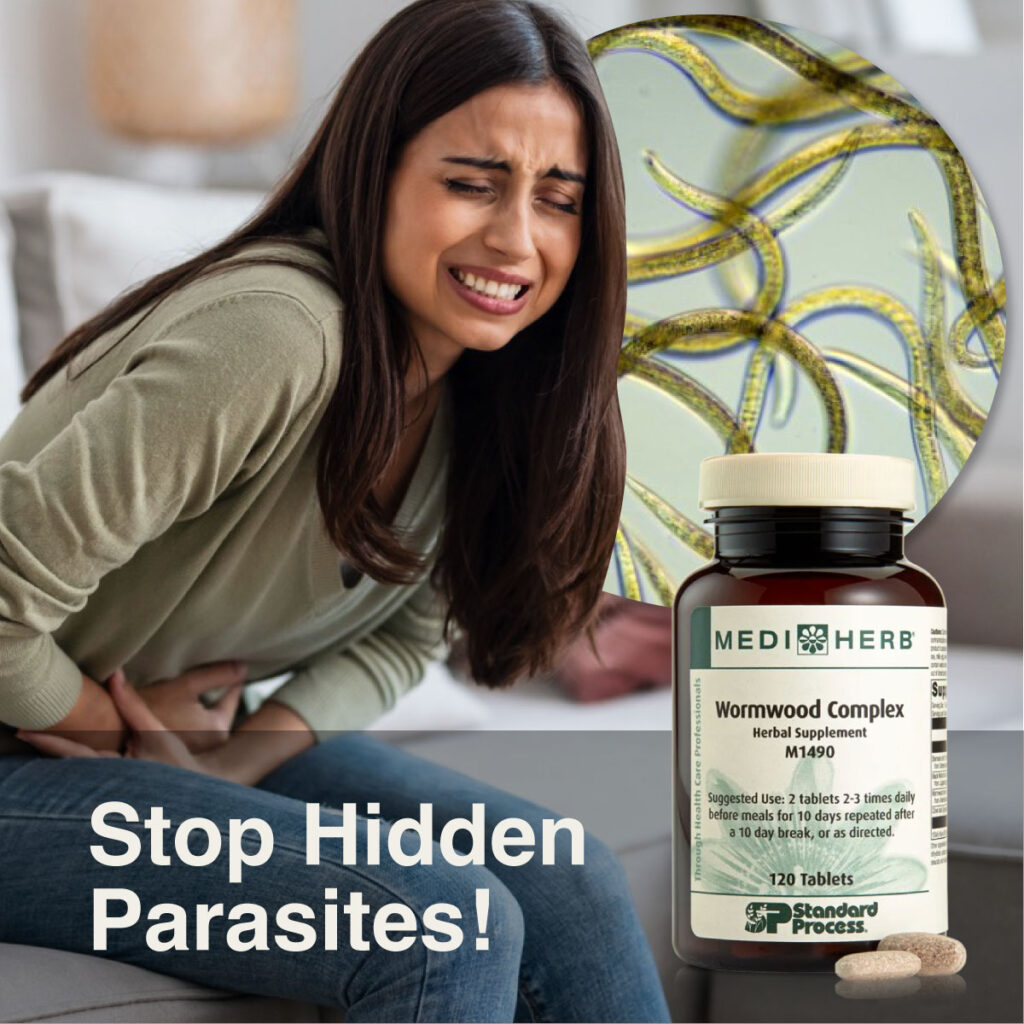
We’ve made huge strides in food safety, agriculture, and sanitation—but that doesn’t mean we’ve cleared out all the microscopic invaders. In fact, hidden parasitic infections are surprisingly common in the U.S., often flying under the radar unless symptoms trigger deeper investigation.
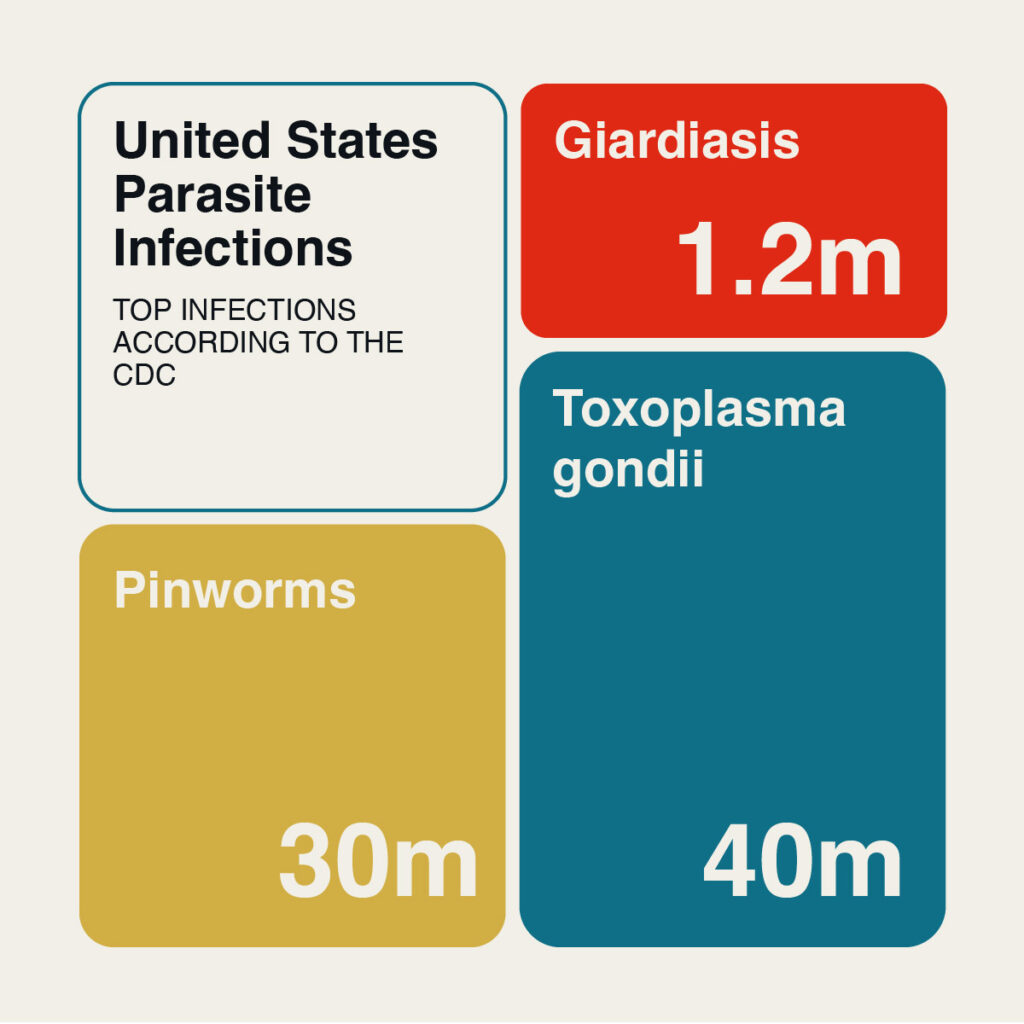
It’s estimated that more than 40 million Americans are infected with Toxoplasma gondii, a brain-invading protozoa often contracted through undercooked meat. Giardia lamblia, a common cause of waterborne illness, affects over 1.2 million people in the U.S. annually. Pinworms (Enterobius vermicularis) remain the most common parasitic infection in children. Meanwhile, Candida overgrowth and stealth yeast infections are widespread, with up to 70% of people showing signs in stool and skin swabs—especially those with gut issues, sugar cravings, or frequent antibiotic use.
Holistic Methods for Eliminating Parasites
My approach combines targeted antiparasitic protocols with support for the body’s detox pathways. Simply killing parasites without optimizing detoxification can worsen die-off reactions (Herxheimer reactions). Key elements include:
- Dietary Adjustments
- Herbal Antiparasitics: Bitter Wormwood Complex
- Digestive & Detox Support
Key Supplements and Cleansing Strategies
Drawing from my experience and clinical protocols, I often recommend a combination of whole-food-based nutrients and specialized formulas:
- Wormwood Complex and Artemisian (10-5-10 Cycle)
- Garlic Forte
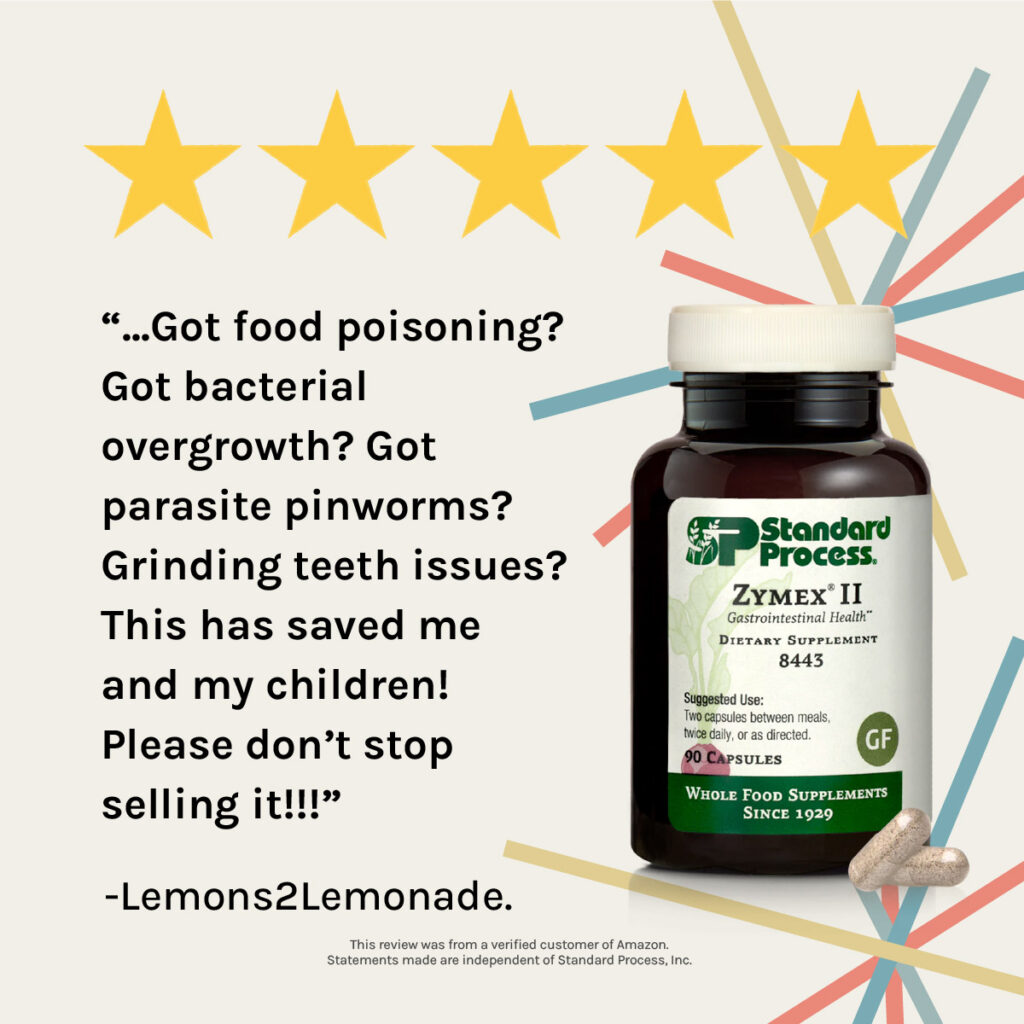
- Zymex II
- Spanish Black Radish
- Whole-Food Allies
- Papaya Seeds: Contain papain, an enzyme with documented antiparasitic activity.
- Pumpkin Seeds: Naturally rich in cucurbitacin, which paralyzes and helps expel intestinal worms.
- Fermented Vegetables: Promote healthy gut flora, crowding out opportunistic organisms and supporting the immune system.
By layering these supplements in a structured regimen, we minimize the risk of overwhelming the liver and kidneys. I typically advise patients to begin with digestive enzymes and liver support one week before starting the antiparasitic herbs, then continue liver and lymph support throughout the protocol.
Anti-Parasite Salad Recipe
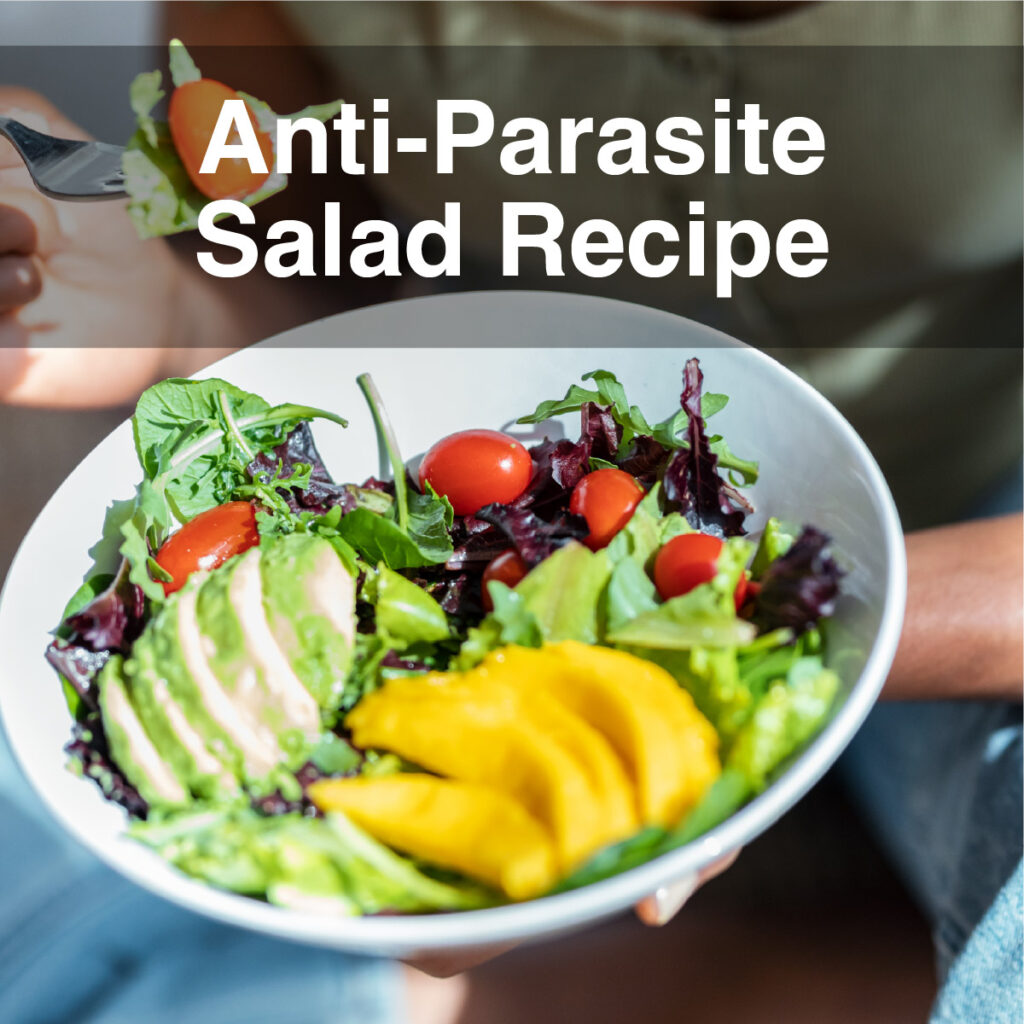
When it comes to gut health, parasites are the sneaky houseguests you never invited. But nature gives us powerful tools to help kick them out. This vibrant, tropical salad combines enzyme-rich papaya seeds, fiber-packed fermented vegetables, and pumpkin seeds loaded with cucurbitacin—a compound known to paralyze intestinal worms. Paired with juicy mango and a zesty lime dressing, this bowl doesn’t just taste amazing—it’s a nutrient-packed eviction notice.
Ingredients:
- 1 ripe mango, diced
- ½ cup fresh papaya, cubed
- 1–2 tsp papaya seeds, lightly crushed (start small—strong flavor)
- ¼ cup pumpkin seeds (pepitas), toasted
- ½ cup fermented vegetables (e.g., kimchi, sauerkraut, pickled beets)
- ¼ red onion, thinly sliced
- 2 cups mixed greens (arugula, spinach, spring mix)
- 1 handful fresh mint or cilantro, chopped
Dressing:
- Juice of 1 lime
- 1 Tbsp olive oil
- ½ tsp apple cider vinegar
- ¼ tsp cayenne pepper (optional, but a spicy immune kick)
- Pinch of sea salt
Directions:
- Whisk all dressing ingredients in a small bowl.
- In a large bowl, combine greens, mango, papaya, onion, fermented veggies, herbs, and pumpkin seeds.
- Sprinkle in crushed papaya seeds (a little goes a long way).
- Drizzle with dressing and toss gently to coat.
- Serve chilled and chew with intention—your gut will thank you.